
Three Carbon County Record Counters
Carbon County criminal records are split among three Price locations. The Carbon County Administration Building at 751 East 100 North holds the Justice Court, County Attorney, and Clerk/Auditor GRAMA counter. The state-run Seventh District Court at 149 East 100 South holds felony and class A misdemeanor case files. The Carbon County Sheriff and jail at 240 West Main Street hold sheriff reports, county booking data, and current custody records. Going to the wrong building can add a needless stop, even though all three counters are in the county seat.
The Carbon County Justice Court overview shows the unusual local arrangement in which one court handles lower-level matters for Carbon County, Price, Helper, and Wellington.
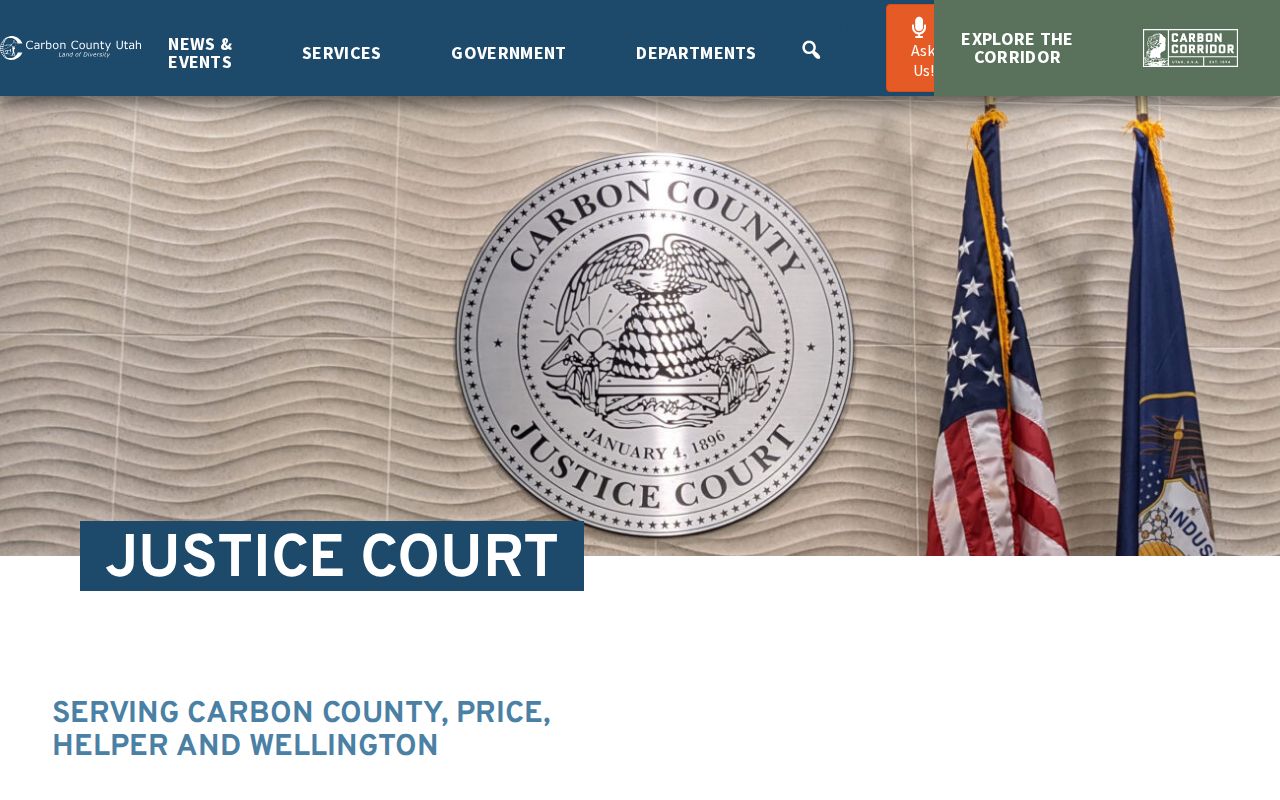
That shared jurisdiction means a city citation or class B or C misdemeanor often leads to Suite 1600, while a felony or class A misdemeanor belongs at the separate Utah District Court counter. The office that holds the file depends on what happened, not just where in Carbon County the event began.
County Administration
751 E 100 N, Price, UT 84501
435-636-3200
Justice Court, County Attorney, and county GRAMA records
Seventh District Court
149 E 100 S, Price, UT 84501
435-264-4640
Felony and class A misdemeanor court files
Sheriff and Jail
240 W Main St, Price, UT 84501
435-636-3251
Sheriff reports, booking, and current custody
How to Check Criminal History in Carbon County
No single Carbon County criminal history search covers every record. Start with the event or status you need to confirm. A recent jail entry is only a current custody snapshot. A court docket follows charges after filing. A Utah Computerized Criminal History response links fingerprint-based arrest cycles and reported outcomes to the record subject’s identity. An incident narrative stays with the agency that wrote it.
Use a full legal name and date of birth when the official system permits both. Check spelling variants, but do not treat a similar name as a match. Case and citation numbers are not unique across Utah, so narrow court results to Carbon County or the right court. Then compare the booking allegation, filed count, and count-level disposition.
- For recent custody, check Carbon Current Bookings, call the jail at 435-636-3254, or visit the jail counter.
- For a class B or C misdemeanor or infraction, contact Carbon County Justice Court and check the statewide court index.
- For a felony or class A misdemeanor, use the Seventh District Court clerk or Utah Courts Information XChange.
- For an arrest or incident narrative, ask the sheriff, city police, UHP, or campus agency that created the report.
- For your own Utah repository history, submit a Right of Access request to BCI with fingerprints, identification, and the fee.
- For current state prison, probation, or parole status, use the Utah Department of Corrections locator.
- If an online result is absent or unclear, call the custodian, inspect at the courthouse, or submit a focused GRAMA request.
Utah XChange search help documents the controls used to narrow a Carbon County criminal case search.
| Field or control | Use | Carbon County search note |
|---|---|---|
| Jurisdiction | District, Justice, or both | Choose by charge level or search both |
| Search Type | All cases or judgments only | All cases gives the broadest docket search |
| Case Number | Text | Not unique statewide |
| Last Name/Company | Primary name field | Use the filed party name |
| First Name | Text with wildcard | An asterisk can capture variants |
| Case Type | Category selector | Limit to the relevant criminal category |
| Search Scope | State, county, or court | Choose Carbon County or the known court |
| Birth Date | Optional date | Helps separate similar names |
| Citation Number | Text | Also not unique statewide |
| Citation Location | Location selector | Narrows a citation result |
| Date Range Panel | Filing/date criteria | Useful for common names and older matters |
Carbon County Booking Records
Every county law-enforcement agency may book a person into the Carbon County Jail. The arresting agency still keeps its own report. Price Police, Helper Police, Wellington Police, the sheriff, Utah Highway Patrol, and USU Eastern public safety do not merge their investigative narratives merely because custody is centralized. That division matters when a booking entry is visible but the facts behind the arrest are not.
The Carbon County Sheriff and jail page publishes the business-office, jail, and dispatch contacts used when an online booking result does not answer the question.
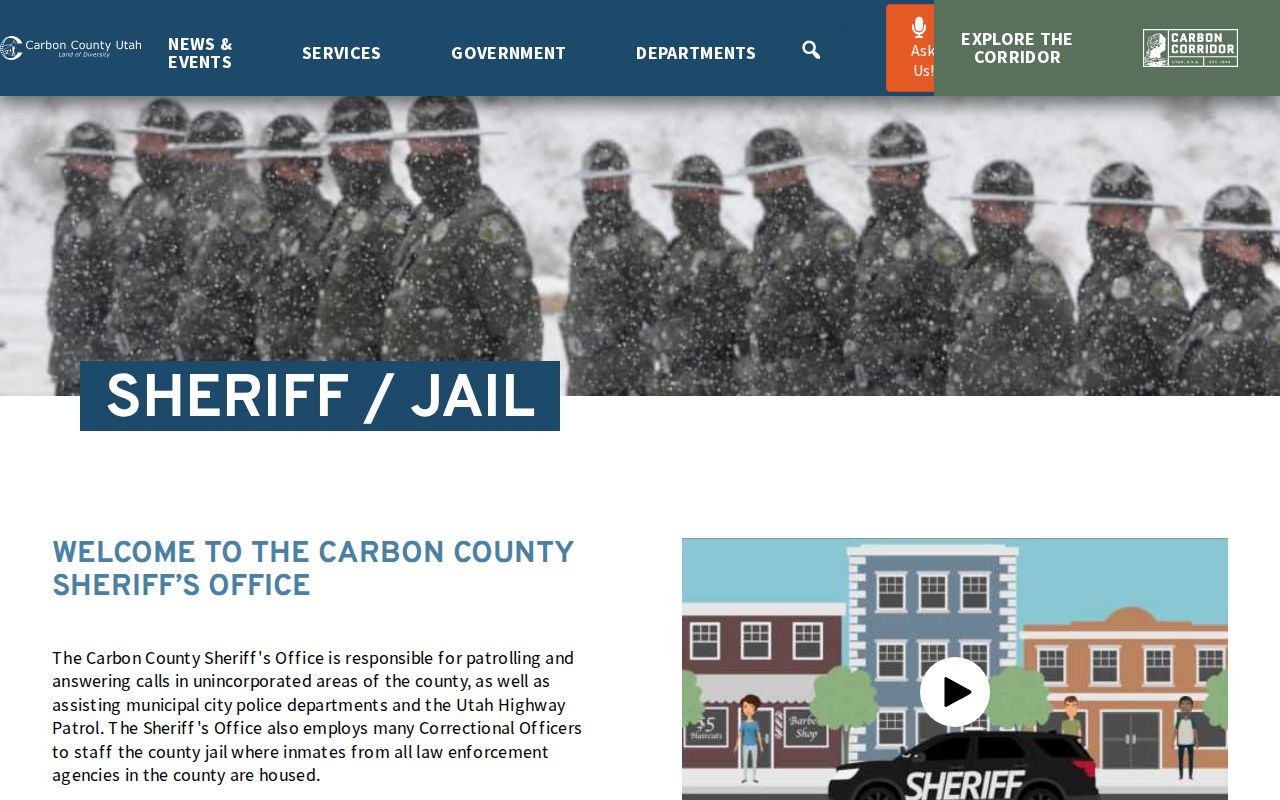
Current Bookings is free and warns that its charges are preliminary. It should be read as a present-custody tool, not a verdict or a complete Carbon County arrest history. If the interface fails, call the jail’s round-the-clock line. A releasable booking record or sheriff report can also be requested at the business office or through county GRAMA. Full arrest-channel details appear in the Carbon County arrest history resource.
Note: A Carbon County booking allegation may change when the prosecutor files charges or the court enters a final disposition.
Official Utah Background Checks
Utah does not offer an unrestricted public name search of another person’s BCI history. The official public-facing route is self-review through the Utah Department of Public Safety, Bureau of Criminal Identification. BCI maintains the Utah Computerized Criminal History file and the state fingerprint database. A Right of Access response costs $20 and gives a person their own Utah criminal history. A separate Third Party Release can direct that result to another recipient, but it does not turn BCI into a public people-search service.
The BCI Right of Access instructions explain the in-person and mail routes for an identity-linked Utah record.
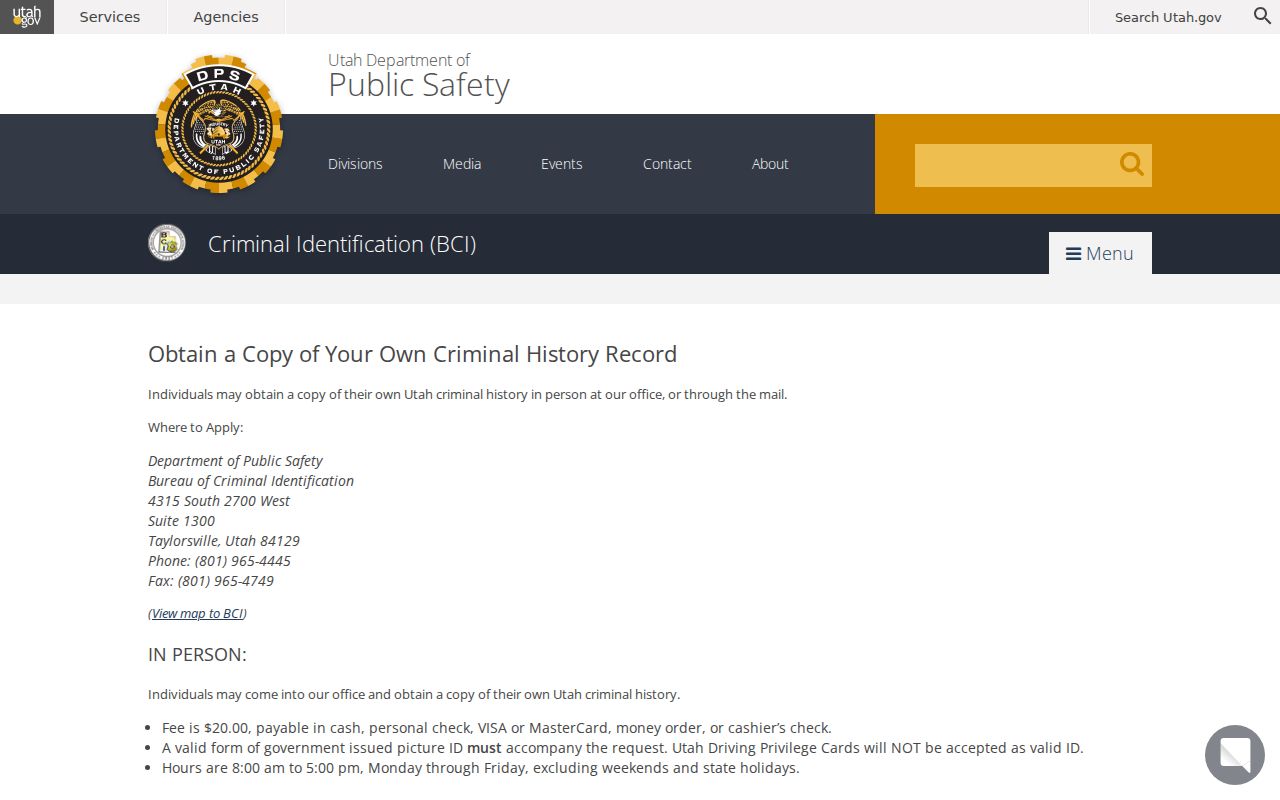
In person, BCI requires valid government photo identification at its Taylorsville office. By mail, the packet includes the current application, a law-enforcement impression of the four right-hand fingers, a copy of valid photo ID, and payment. The FBI Identity History Summary is a separate subject-only federal record. It does not replace the Utah file, Carbon County court records, or local incident reports.
Carbon County Fingerprint Access
Carbon County Sheriff offers live-scan criminal prints for $10 during published evening and weekend hours. Bring the required paperwork and photo ID. The sheriff provides the print service, but the local appointment does not by itself produce a BCI criminal history. The completed Right of Access request still goes through BCI’s stated process.
BCI also offers state-run digital and wet-print service in Taylorsville. Ordinary noncriminal printing requires an online appointment and costs $20 for up to three cards, plus $5 for each added card. BCI says Utah-history and expungement applicants do not need an ordinary fingerprint-service appointment. Those routes use their own applications, print requirements, and fees.
| Service | Published cost | What it provides |
|---|---|---|
| Carbon Sheriff live scan | $10 | Local fingerprint capture with paperwork and photo ID |
| BCI own Utah history | $20 | Subject’s identity-linked Utah record |
| BCI fingerprint cards | $20 for up to three | State-run digital or wet-print service |
| Each added BCI card | $5 | Additional card in the same service |
| FBI Identity History Summary | $18 plus prints | Subject’s FBI-maintained federal history |
Types of Criminal Records
A Carbon County criminal record is not one document. Police reports describe an incident. Arrest records document the basis and details of custody. Jail bookings show intake and current holding allegations. Court files track charges, pleas, hearings, disposition, and sentence. BCI history links qualifying fingerprint-based arrests with outcomes reported to the repository. Each record has a different custodian and a different public-access rule.
Warrants are court and law-enforcement records, while probation and parole involve the sentencing court, Utah Adult Probation and Parole, and the Board of Pardons and Parole. Registry entries are public safety records published by DPS after a disclaimer. Juvenile and expunged files are restricted. A useful Carbon County criminal history review compares the record types instead of forcing one source to answer every question.
- Incident report: the creating agency’s narrative, subject to GRAMA classification and redaction.
- Booking record: jail intake and current custody data with preliminary charges.
- Court file: the filed counts, docket events, pleas, judgment, and sentence.
- UCCH history: BCI identity data, fingerprint-linked arrest cycles, and reported outcomes.
- Supervision record: court, AP&P, Board, or UDC information on probation, parole, or custody.
- Disposition
- The outcome of a charge or case, such as dismissal, acquittal, or conviction.
- Docket
- The court’s chronological list of filings, hearings, orders, and rulings.
- Plea in abeyance
- A Utah agreement that delays judgment while the person completes set conditions.
- Expungement
- Utah’s process for sealing or restricting qualifying government criminal records.
Carbon County Warrant Checks
No official Carbon County active-warrant name search was found. Use the phone-and-court chain. Start with the sheriff business office at 435-636-3251 or nonemergency dispatch at 435-637-0890. Ask Carbon County Justice Court at 435-636-3289 about a lower-court matter. For a class A misdemeanor or felony case, contact Seventh District Court at 435-264-4640. Staff may limit what they confirm when a warrant is sealed, juvenile, or tied to an active investigation.
A bench warrant often follows failure to appear or failure to comply with a court order. An arrest warrant authorizes custody after a judicial finding, while a search warrant is an investigative order and may remain sealed. Utah ePayments may show a delinquent or warrant fee, but payment alone does not clear a warrant. Get direct instructions from the court that issued it. If the record is public but not otherwise available, file a focused GRAMA request with the holding agency.
Outstanding warrant: Do not rely on a payment screen or a missing booking entry. Contact the issuing Carbon County court for current appearance and resolution instructions.
What a Carbon County Criminal Record Shows
The fields depend on the source. A BCI response centers identity and fingerprint-linked arrest cycles. A Carbon County court case centers the case number, filed counts, pleas, docket activity, disposition, sentence, and money ledger. A jail entry centers intake and custody. When the sources conflict, the later court disposition is the better source for the outcome, while the original police report remains the source for the incident narrative.
XChange can show court location, case type, filing date, party data, charge severity, plea and disposition dates, judge, attorneys, prosecutor, agency, citation, financial entries, and a chronological proceeding history. Older converted Carbon County cases may be sparse. Public electronic documents can cost $1 remotely when available, while a clerk may need to retrieve older or nonelectronic material.
| Name & Identifiers | Filed name, aliases, date of birth when available, and repository identifiers in an authorized BCI response. |
|---|---|
| Arrest / Booking Data | Agency, date, place, booking event, holding charges, release or bail information, and custody status when documented. |
| Charges & Statutes | Arrest allegations or prosecutor-filed counts, Utah Code citation, and severity. These may change between sources. |
| Disposition | The count-level outcome, including dismissal, acquittal, plea result, or conviction. |
| Sentence | Confinement, probation, fines, restitution, and other orders entered by the court. |
| Custody / Supervision | County jail status, UDC incarceration, or active probation and parole information available through the proper system. |
Carbon County GRAMA Record Requests
Carbon County uses the Government Records Access and Management Act for requests to county agencies. The sheriff business office accepts requests for its reports and media. The Clerk/Auditor in Suite 1100 is the countywide GRAMA fallback. Requests may be submitted in person, by mail, email, fax, or through Utah’s open-records portal. Describe the record with enough detail to locate it, such as the report type, approximate incident date and location, agency, report number if known, and preferred format.
The Carbon County GRAMA page routes requesters to the official written-request channel.
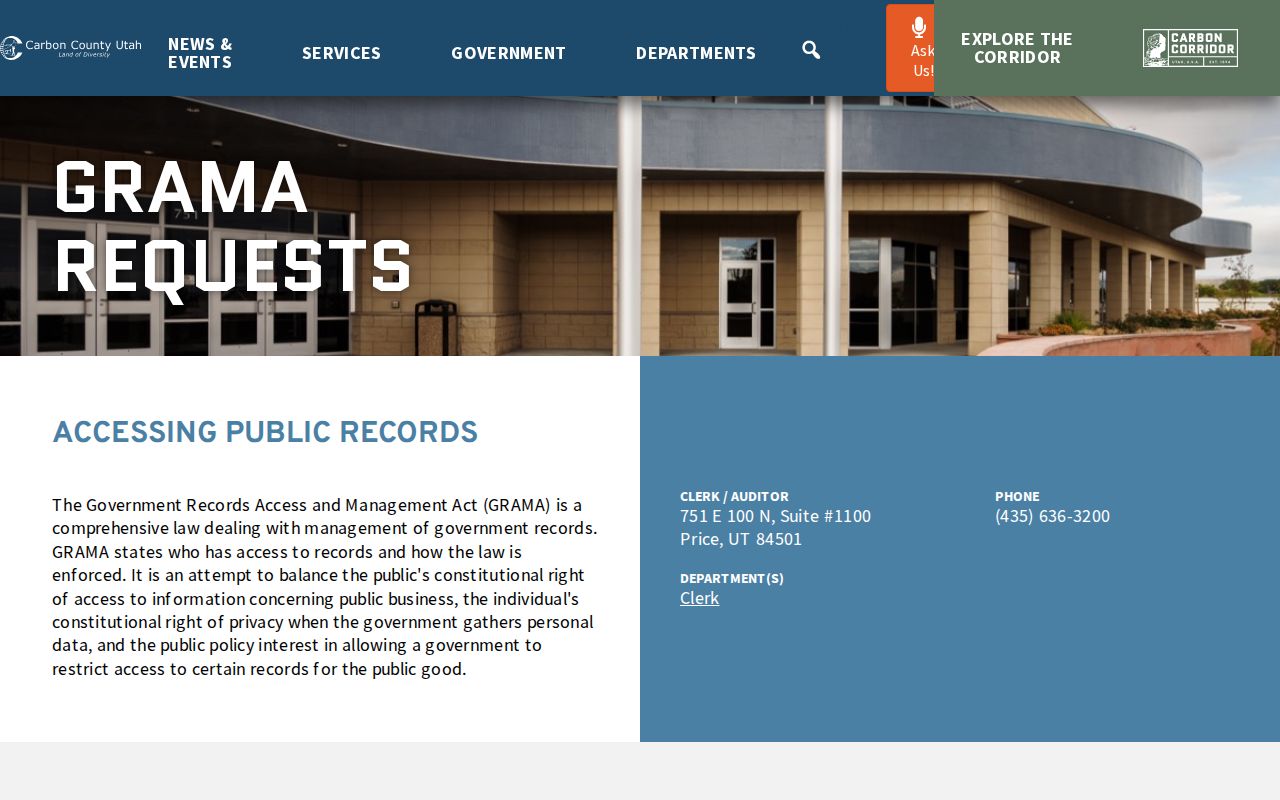
The records officer may approve, redact and partly approve, deny with appeal information, route the requester to another holder, or state a later response date. Carbon County publishes a ten-business-day response target absent extraordinary circumstances. Inspection has no stated charge. Copies and scans may cost their reasonable amount, and actual staff cost may apply after the first 15 minutes. Pending criminal discovery and protected prosecutor files follow different rules.
| Carbon County product | Published fee or access |
|---|---|
| Sheriff police report | $5 |
| Sheriff photographs | $25 |
| Sheriff dash-camera or video | $25 |
| Booking photograph | Fee not located |
| Inspect a county public record | No charge stated |
| Copy, scan, or extended staff work | Reasonable or actual cost; staff cost may apply after 15 minutes |
Public Access Laws
GRAMA creates a right to inspect and copy public Utah government records, but it does not make all criminal information public. Carbon County agencies may withhold or redact private identifiers, victim-sensitive facts, juvenile material, protected investigations, and other classified content. Court records use Utah Judiciary classifications. The BCI repository has its own dissemination rule, which is why the public can obtain their own UCCH history but cannot run an open BCI name search on someone else.
Public court dockets, releasable agency reports, jail custody tools, UDC status, and the DPS registry are distinct lawful channels. The record’s source controls the request and the limits. Utah registry information supports personal and community safety, and the required disclaimer bars harassment or threats.
Key Utah laws:
Utah Code §63G-2-201 creates the right to inspect or copy public government records, subject to lawful restrictions.
Utah Code §53-10-108 restricts criminal-history dissemination and preserves an individual’s own-record access.
Utah Judicial Administration Rule 4-202.02 classifies court records as public, private, protected, sealed, juvenile, or otherwise restricted.
Utah Code Title 77, Chapter 40a governs petition-based and automatic expungement.
Carbon County Custody Records
The UDC Offender Search covers people currently incarcerated by the Utah Department of Corrections or supervised on probation or parole.
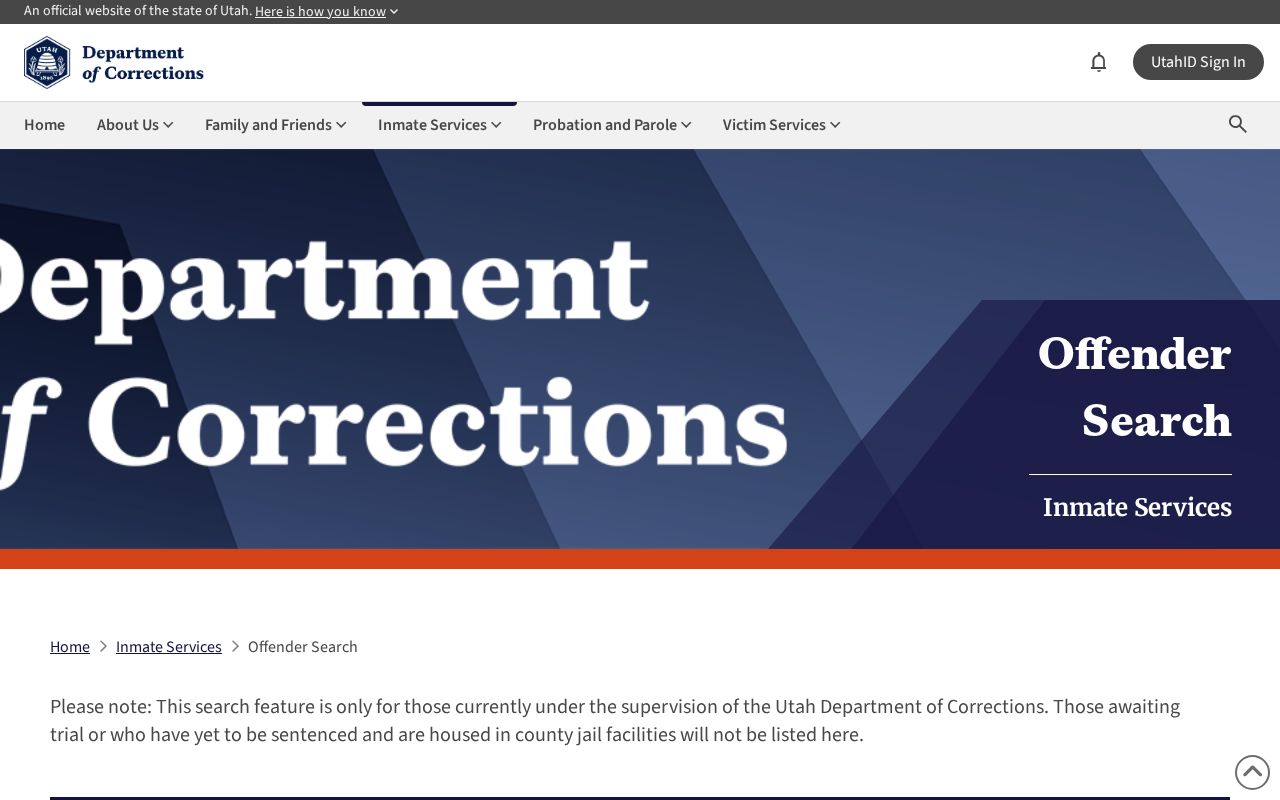
That statewide locator is not the Carbon County Jail roster. Use Current Bookings for county pretrial or current local custody, UDC for sentenced state custody or supervision, and the federal Bureau of Prisons locator for federal confinement. The court file remains the source for the sentence and later revocation proceedings.
The Utah Adult Probation and Parole office listing identifies Region 6 Price as Carbon County’s local supervision office.
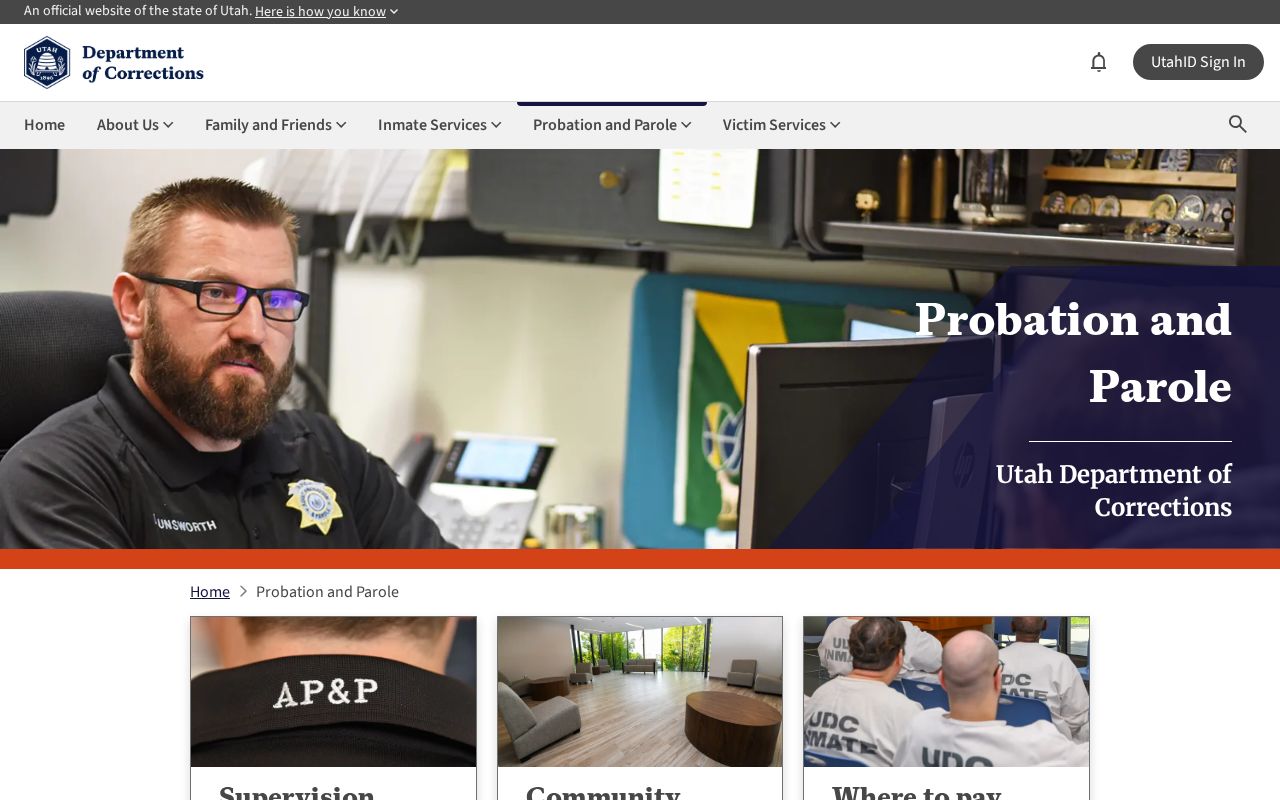
Region 6 AP&P is at 1365 South Carbon Avenue in Price and can be reached at 435-636-2800. UDC supervises both adult probation and parole, while the Utah Board of Pardons and Parole decides parole release. Operational supervision files are not the same as the public Carbon County criminal court docket.
Sealed, Expunged & Restricted
The Utah Courts expungement instructions describe both petition-based relief and the automatic process that changed at the start of 2026.
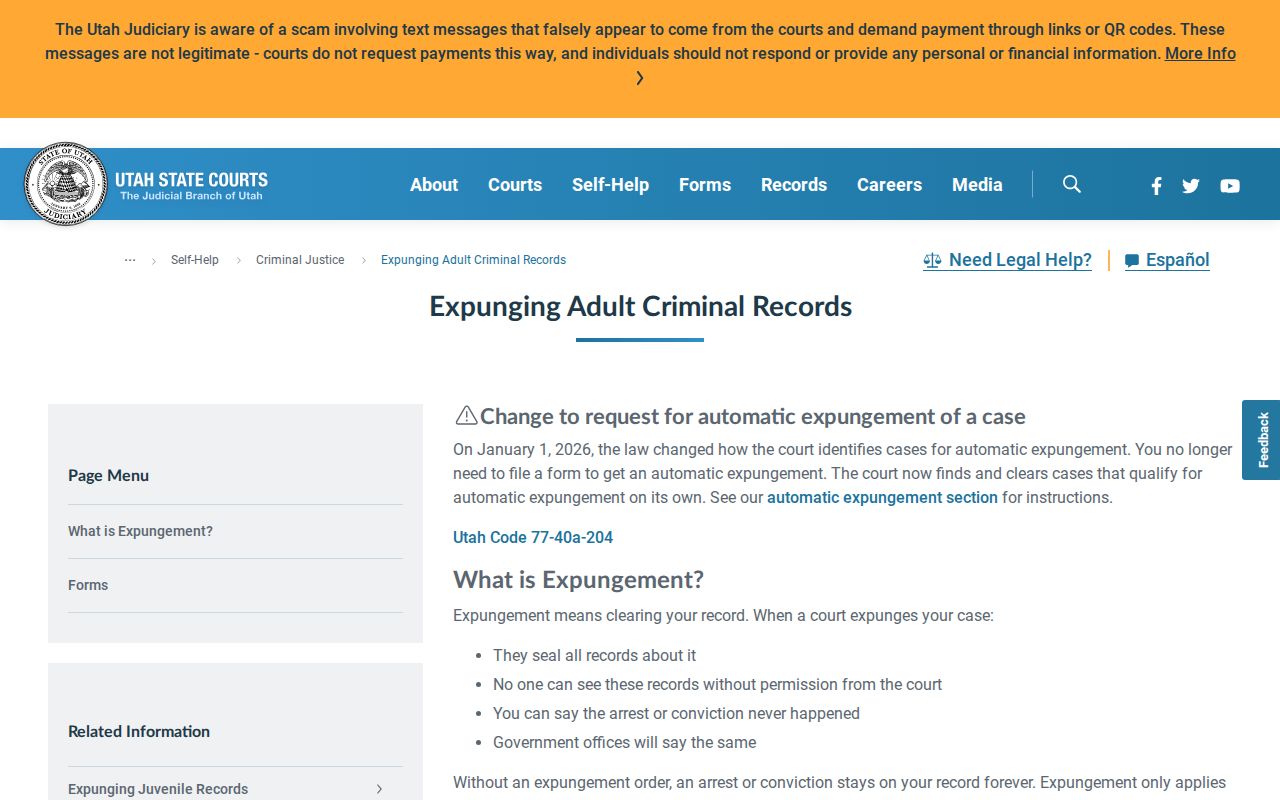
Expungement seals qualifying government records from ordinary public access. It does not erase independent news reports. Juvenile files do not appear in ordinary XChange results, and sensitive identifiers, victim data, and protected investigative facts may be withheld. A petition-based Carbon County case begins with a new-fingerprint BCI certificate application and then returns to the court that handled the case. The certificate is valid for 180 days. After an order is granted, certified copies should be obtained within 28 days and served as required so agencies implement it.
The Utah Courts fee schedule publishes the current filing and record-copy amounts that apply when a Carbon County record needs a court filing or certified copy.
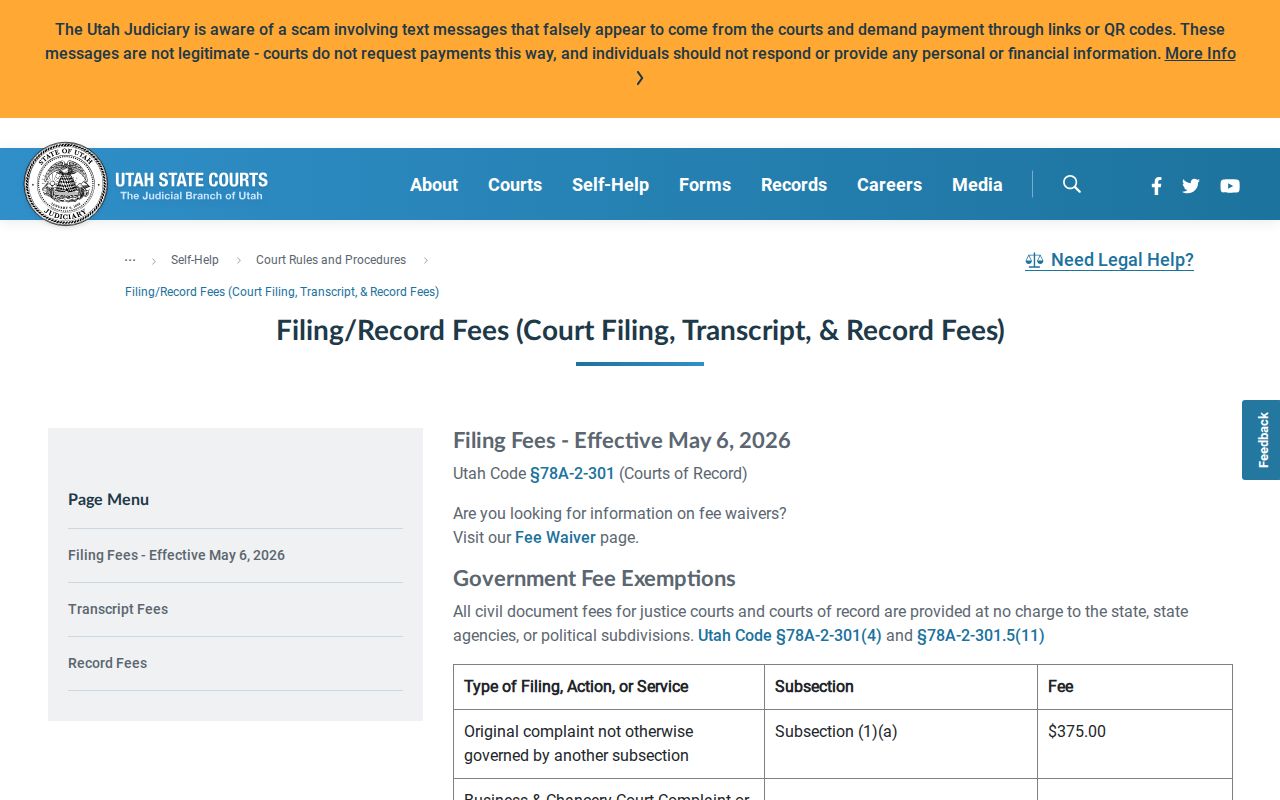
BCI’s expungement certificate costs $65. District petition filing is $150 effective May 6, 2026, and fee-waiver forms are available. Automatic relief has different waiting periods and exclusions. Felonies, most nondrug class A misdemeanors, DUI, assault, domestic violence, sex offenses, and certain weapons offenses do not enter the ordinary Clean Slate category, though an automatic exclusion does not always decide petition eligibility.
Carbon County Criminal Record History
Carbon County was formed from Emery County in 1894 and took its name from the coal beneath the region. Rail access opened the coal lands in the 1880s, drew workers from many countries, and shaped Price River Valley communities. That history also helps explain the modern records map. Price became the county seat and administrative hub, while Carbon’s court district spans a broad rural part of eastern Utah.
Today, one county Justice Court covers lower matters for Carbon County and its three main cities, one county jail receives bookings from local agencies, and a separate state District Court handles felonies and class A misdemeanors. The Seventh District also covers Emery, Grand, and San Juan counties. Remote hearings and a statewide case index have practical value across Carbon County’s 1,479.18 square miles, but the original file still belongs to the responsible court or agency.
Criminal Records by City in Carbon County
Price, Helper, and Wellington are Carbon County’s three largest incorporated cities by the 2020 Census. Their police departments keep the reports they create, while county booking and court systems receive later parts of the record. Carbon County Justice Court handles lower-level matters for all three cities, and Seventh District Court handles class A misdemeanors and felonies.
Each city route differs. Price has a police form library, Helper links an official government-record request, and Wellington publishes detailed report and copy fees. Start with the police agency that created the report, then follow the Carbon County court route if charges were filed.
Price Criminal History
8,216 residents · Police reports remain with Price PD; lower cases route to Carbon County Justice Court.
Helper Criminal History
2,112 residents · Helper Police provides the report channel; bookings move to Carbon County Jail.
Wellington Criminal History
1,605 residents · Police and court contacts share City Hall, with published report fees.